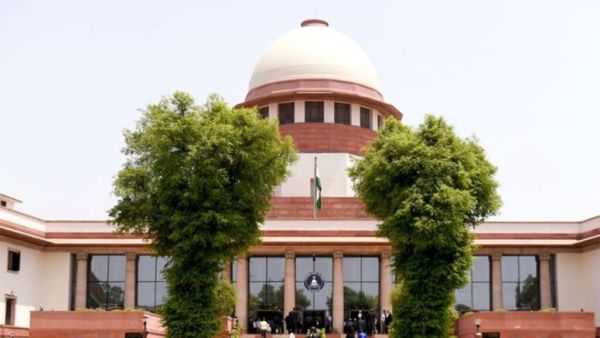
D. Thara, Chairperson of Delhi Metro Rail Corporation (DMRC) and Additional Secretary in the Union Ministry of Housing and Urban Affairs (MoHUA), has filed an affidavit in the Supreme Court seeking unconditional apology. He has requested the court to quash the contempt notice issued against him and close the case. The senior IAS officer has made it clear in his affidavit that he has the highest respect for the judiciary and the Supreme Court. He said that none of his conduct or decisions were intended to disobey the court's order or bring down her dignity. If any such message has been sent unknowingly, she tenders an unconditional apology before the court for the same. What is the main reason for contempt notice and dispute? The case pertains to various legal, administrative and financial disputes to the implementation of Delhi Metro: Delay in compliance of court orders: The Supreme Court had expressed displeasure over non-compliance of an earlier order to DMRC. The court was of the view that despite clear instructions, there was deliberate avoidance or delay in taking necessary approvals and formal steps at higher levels. Notice to responsible officials: The court, taking a strict view on non-timely compliance of the order, held the top leadership of the corporation and senior ministry level officials personally responsible and asked why action should not be taken against them under the Contempt of Court Act. Role of Chairperson: D. Thara, being the head of the DMRC Board, was issued a show cause notice for contempt to clarify the process. What clarification did D. Thara give in the affidavit? D. Thara made several important points in his detailed affidavit, convincing the court: Procedural complexities: He pointed out that administrative decisions required formal coordination and policy approvals between the Central Government, Delhi Government and various financial departments, which took some time. No malice: He insisted that there was no willful disobedience to disobey the court's instructions. Assurance of complete compliance: He assured the court that necessary directions have already been issued to the concerned departments to ensure compliance in letter and spirit of all the directions and orders given by the apex court. What will be the stance of the Supreme Court going forward? Whenever a senior public servant files an affidavit of unconditional and candid apology in the Supreme Court, the court usually looks at whether the apology is based on bona fide and whether the original court order has been fully complied with. If the court is satisfied that concrete steps have been taken towards compliance with the order and the conduct of the officer was not willful in bringing the dignity of the court into disrepute, the court may consider closing the case by quashing the contempt notice. All eyes will be on the final stand of the court in the upcoming hearing.
Contact to : xlf550402@gmail.com
Copyright © boyuanhulian 2020 - 2023. All Right Reserved.