The government’s latest ethanol tender has shut the door on sugar-based feedstock for the 2026-27 supply year. Oil companies have been told to bring sugar diversion for ethanol down to zero. This means no bids for ethanol made from sugarcane juice, sugar syrup, sugar or B-heavy molasses in the tender issued on October 16. The decision comes as sugar prices climb and output is expected to fall, but it also raises a practical question: where will the ethanol needed for E20 petrol come from?
Indian Oil, Bharat Petroleum and Hindustan Petroleum are seeking 11 billion litres of ethanol for the supply year starting in November. Their tender invites supplies made from maize, broken rice and surplus rice held by the Food Corporation of India. Sugar mills that invested in distilleries geared towards cane-derived ethanol cannot simply treat this as business as usual.
The immediate concern is the amount of sugar available for consumption. Poor rainfall in major cane-growing areas of Maharashtra and Karnataka has hit production expectations. Industry projections now put sugar output near 28 million tonnes for 2026-27, against roughly 31 million tonnes in the previous season. Expected domestic consumption is around 28.5 million to 29 million tonnes.
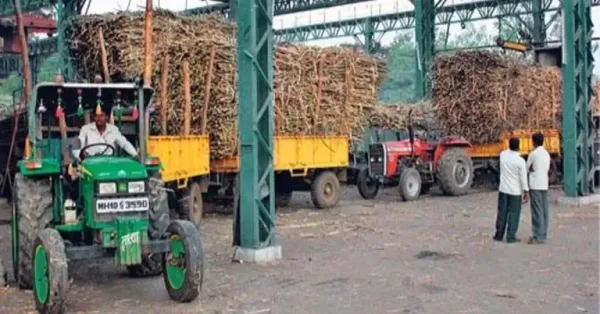
Opening stocks are also tight, estimated at 3.5 million to 3.6 million tonnes. Around 3 million tonnes of sugar were diverted to ethanol during 2025-26. Allowing a similar diversion this time would put further pressure on sugar availability. Sugar prices have risen sharply, with one industry estimate putting the year-on-year increase at 24 percent and the retail price at around ₹57.82 per kg.
Stopping diversion therefore addresses a specific supply problem. It does not establish that ethanol blending alone caused the rise in sugar prices. Poor weather and reduced cane yields are equally important parts of the explanation. Nor does the tender mean all ethanol blending has been banned.
E20 petrol contains 20 percent ethanol by volume. The government has already introduced it nationwide, and the current tender leaves that programme in place. What changes is the source of the alcohol blended into petrol.
Grain-based distilleries now carry more of the burden. But increasing maize and rice procurement to meet an 11-billion-litre tender has its own complications. There must be adequate grain supply, working distillery capacity, transport arrangements and competitive procurement prices. Grain has other food and feed uses, so its availability cannot be assumed to be unlimited.
The government has also reduced the special incentive on maize-derived ethanol from ₹5.79 to ₹2.79 per litre, cutting the reported procurement price from ₹71.86 to ₹68.86 per litre. That matters to suppliers who must decide whether producing ethanol remains sufficiently profitable at the revised rate.
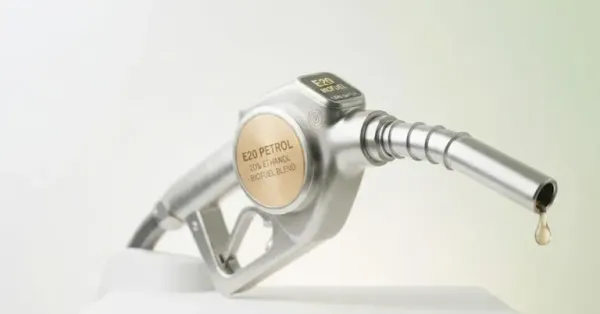
Drivers should not expect E20 petrol to disappear from fuel pumps because of this tender. The more immediate issue is whether oil companies can contract and receive enough eligible ethanol to maintain blending without disruption. Neither a pump-price increase nor a change in ethanol percentage has been announced as a direct result of this measure.
For sugar mills, the blow is more direct. Cane-based ethanol had provided an alternative outlet when sugar inventories were comfortable, helping mills manage cash flow and returns on distillery investment. Those facilities may now have to adjust feedstock, run at lower utilisation or pursue other customers, depending on their equipment.
The government has chosen to protect sugar availability for the coming season. Whether grain-based supply can fill the gap will determine how smoothly the blending programme operates alongside that decision.
Contact to : xlf550402@gmail.com
Copyright © boyuanhulian 2020 - 2023. All Right Reserved.