Life has become so fast-paced today that we've started spending without thinking. As soon as we open our phones, we're bombarded with shopping apps, social media, and offers. Payment happens with a single click, and we don't even realize that money has left our pockets.
The problem escalates when these small expenses gradually eat away at our savings and investments. Thanks to credit cards and digital payments, the pain of spending isn't felt immediately, but by the end of the month, the budget is completely disrupted.
Why has impulse buying become such a big threat?
Impulse buying means purchasing something without any planning. Often, we end up buying things we don't actually need. Social media algorithms show us things we might like, and our minds immediately say yes. This kind of spending gradually becomes a habit. Initially, it seems insignificant, but in the long run, its impact becomes enormous.
Credit cards make spending even more dangerous! Another hidden drawback of impulse spending is linked to credit cards. When paying with a card, it feels like the money isn't leaving our account immediately. The real shock comes when the bill arrives. Often, people only pay the minimum amount, and the rest accrues heavy interest. This leads to a continuous increase in both spending and debt.
What is the 48-hour spending rule? The 48-hour spending rule is very simple. It means that before buying anything non-essential, wait for 48 hours or two days. If, after two days, you still feel that the item is truly necessary, then you can buy it. But in most cases, the desire fades away on its own.
How does this rule help? The 48-hour rule isn't meant to stop spending completely. Its purpose is to encourage mindful spending. Essential items like groceries, electricity bills, or petrol are not included in this rule. However, a new phone, shoes, clothes, subscriptions, or sudden online shopping definitely are. The 48-hour period gives you a chance to think about whether this expense will truly add value to your life.
Why is impulse buying mostly emotional? Most impulse purchases are driven by emotions like happiness, boredom, stress, or FOMO (fear of missing out). Messages like "sale," "limited offer," and "last stock" pressure us into making quick decisions. Waiting 48 hours allows these emotions to subside. What seems essential on Monday might seem optional by Wednesday.
How to apply the 48-hour rule in daily life? An easy way to implement this rule is to create a "buy later" list on your mobile phone. Write down what you want to buy, the price, and the date. Review the list after two days. You'll often be surprised to find that the item no longer seems necessary.
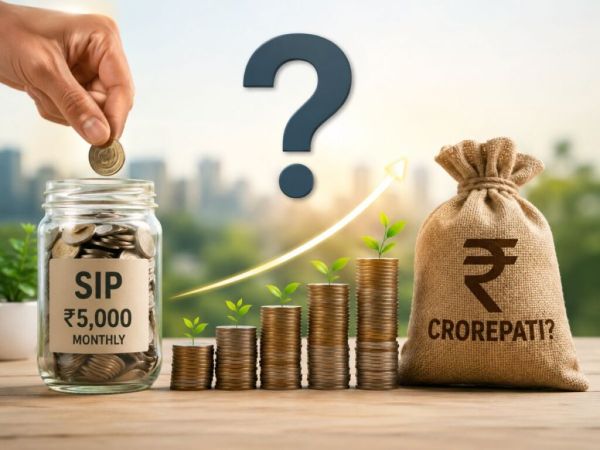
What changes does this rule bring in the long run? The 48-hour rule shifts your focus from spending to saving. You buy fewer unnecessary things and save money for more important goals. Gradually, your savings increase, your SIP (Systematic Investment Plan) strengthens, and your financial stress decreases.
Conclusion Impulse purchases may seem insignificant, but in the long run, they silently erode your hard-earned money. The 48-hour spending rule teaches you the habit of pausing and thinking. This rule doesn't stop spending; it makes it smarter. By adopting it, you can save yourself from significant financial losses, potentially amounting to millions.
Disclaimer: This content has been sourced and edited from Zee Business. While we have made modifications for clarity and presentation, the original content belongs to its respective authors and website. We do not claim ownership of the content.